لماذا تعد SH104WS واحدة من أكثر خوذات V-Guard خفيفة الوزن طلبًا
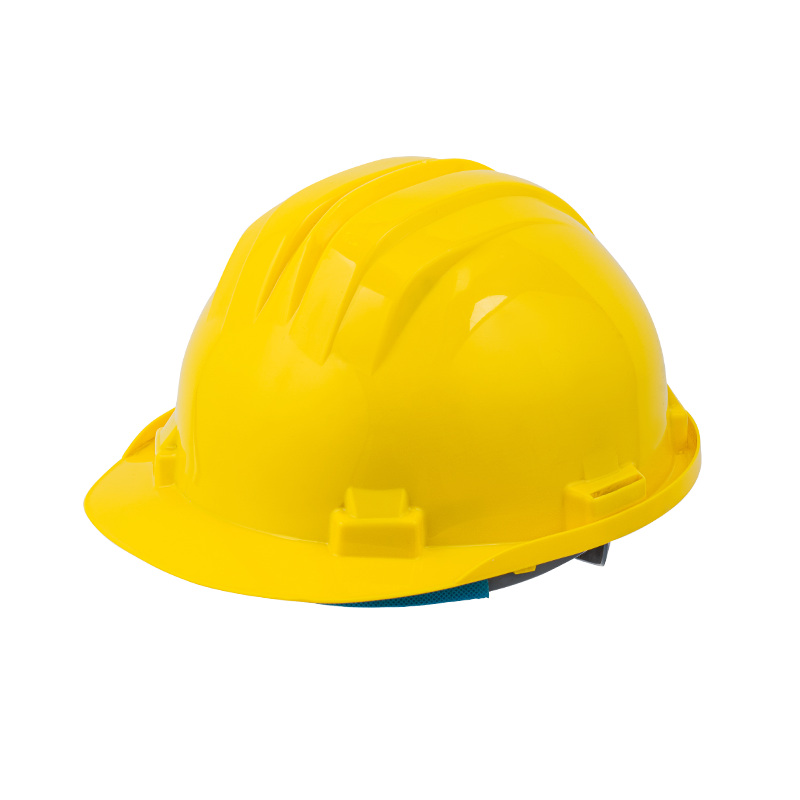
ال SH104WS نوع خفيف الوزن من خوذة V-Guard لقد اكتسبت اعترافًا ثابتًا عبر الأسواق العالمية لسبب واحد مباشر: فهي تجمع بين أ غلاف البولي إثيلين عالي الكثافة خفيف الوزن حقًا مع تصميم هيكلي مثبت على شكل حرف V، مما يجعله خيارًا عمليًا للعمال الذين يرتدون خوذة أمان لساعات طويلة كل يوم. على عكس البدائل الأثقل التي تسبب إجهاد الرقبة وتقلل من الامتثال في موقع العمل، تم تصميم SH104WS ليظل مريحًا خلال الورديات الكاملة دون التضحية بالحماية التي تتطلبها البيئات الصناعية والإنشائية.
ال global personal protective equipment market is projected to reach 93.5 مليار دولار بحلول عام 2027 ، حيث تمثل حماية الرأس أحد أكبر القطاعات وأسرعها نموًا. ضمن هذه الفئة، تكتسب الخوذات خفيفة الوزن حصة في السوق بسرعة - وهو اتجاه مدفوع بالأدلة المتزايدة على أن الخوذات الأخف وزنا تؤدي إلى زيادة الامتثال للارتداء، وتقليل إصابات الإجهاد العضلي الهيكلي بين العمال، وزيادة الرضا العام عن برامج معدات الوقاية الشخصية. تم وضع SH104WS بشكل مباشر لتلبية هذا الطلب.
تلقي هذه المقالة نظرة تفصيلية على ما يجعل SH104WS خوذة رائدة وخفيفة الوزن للركوب والسلامة: تكوين المواد ونظام التعليق وخيارات التخصيص وبيانات الأداء وكيفية مقارنتها بالبدائل الأثقل في ظروف العالم الحقيقي.
غلاف HDPE: علم المواد وراء ميزة الوزن الخفيف
ال outer shell of the SH104WS is manufactured from البولي إيثيلين عالي الكثافة (HDPE) ، وهو بوليمر لدن بالحرارة معروف بنسبة القوة إلى الوزن الاستثنائية. HDPE لديه كثافة تتراوح من 0.93 إلى 0.97 جم/سم3 - أقل بكثير من بلاستيك ABS المستخدم عادة في خوذات الأمان الثقيلة - ومع ذلك فهو يوفر مقاومة مماثلة للصدمات ومقاومة فائقة لتدهور الأشعة فوق البنفسجية والرطوبة والعديد من حالات التعرض للمواد الكيميائية الشائعة في البيئات الصناعية.
يُترجم اختيار المواد هذا مباشرةً إلى خوذة أخف وزنًا دون تقليل صلابة الغلاف أو الأداء الوقائي. بالنسبة للعاملين في مجالات البناء والتخزين والمرافق وسياقات ركوب الدراجات للركاب، فإن الفرق العملي بين أ خوذة HDPE 330 جرام وخوذة ABS 450 جرام يصبح كبيرًا خلال نوبة عمل مدتها ثماني ساعات - يضيف الحمل العضلي التراكمي على الرقبة والكتفين إلى فرق يمكن قياسه في الصحة المهنية.
يعمل HDPE أيضًا بشكل جيد تحت درجة الحرارة. في البيئات الخارجية حيث تتعرض الخوذات للحرارة والبرودة، يحافظ HDPE على خصائصه الهيكلية بشكل أكثر اتساقًا من بعض المواد المنافسة، مما يساعد SH104WS على توفير حماية موثوقة عبر مجموعة واسعة من ظروف العمل.
مقارنة وزن المواد: HDPE مقابل ABS وخوذات الأمان المصنوعة من البولي كربونات
ال chart below compares the average shell weight across three common safety helmet materials. Lighter shells directly reduce total helmet weight, improving long-term wearer comfort, compliance rates, and neck strain reduction. HDPE consistently delivers the best weight performance among standard industrial helmet materials. Studies across PPE compliance programs have shown that every 50g reduction in helmet weight can improve all-day wear compliance by approximately 8–12% among workers with discretionary options. The SH104WS's HDPE shell is a core reason it performs well in extended-wear environments — from construction sites to commuter cycling routes where the helmet may be worn for one to three hours continuously. Polycarbonate offers comparable weight in some configurations, but at a higher material cost that raises the price point, whereas HDPE achieves similar results at accessible price levels suitable for high-volume industrial procurement.
الشكل 1 - مقارنة متوسط وزن الغلاف عبر مواد خوذة الأمان HDPE وABS والبولي كربونات
تصميم V-Guard: الأداء الهيكلي بوزن منخفض
ال هندسة قذيفة V-guard هو أكثر من مجرد خيار جمالي. يقوم التضليع على شكل حرف V والتاج الانسيابي بتوزيع قوى التأثير عبر مساحة سطحية أوسع من الغلاف، مما يقلل من تركيز الضغط الأقصى في أي نقطة واحدة. يتيح نهج الهندسة الإنشائية هذا لـ SH104WS تحقيق ذلك مقاومة عالية التأثير دون الحاجة إلى سمك المادة المضافة التي تعتمد عليها الخوذات الثقيلة - وهو السبب الرئيسي وراء تحول فئة خوذة V-Guard خفيفة الوزن إلى مواصفات قياسية لمديري السلامة في العديد من الصناعات.
بالنسبة لتطبيقات خوذة الركاب وركوب الخيل، يعمل المظهر الجانبي V-guard أيضًا على تحسين الأداء الديناميكي الهوائي بسرعات متوسطة، مما يقلل من ضوضاء الرياح وأحمال القوة الجانبية التي تسبب تحول الخوذة أثناء الحركة. وهذا يجعل SH104WS حلاً شاملاً للمستخدمين الذين يحتاجون إلى خوذتهم للعمل في كل من السياقات الصناعية والعبور.
ال V-guard structure is compatible with a range of accessory mounting points, enabling the addition of face shields, hearing protection attachments, and lamp holders — extending the utility of a single helmet across multiple hazard profiles without adding a secondary shell or replacing the base unit.
نظام تعليق من 4 نقاط: هندسة مريحة للارتداء طوال اليوم
ال SH104WS features a نظام تعليق من 4 نقاط مع توفر خيارات متعددة لنوع التعليق، مما يسمح للمشترين بتحديد التكوين الذي يناسب مجموعة العمل والتطبيقات الخاصة بهم. يؤدي نظام التعليق وظيفة مزدوجة: فهو يبقي الغلاف بعيدًا عن رأس مرتديه، مما يخلق حالة حرجة فجوة تهوية تسمح بخروج الحرارة والرطوبة ويقوم بتوزيع طاقة التأثير عبر أربع نقاط اتصال بدلاً من نقلها مباشرة إلى الجمجمة.
تتوافق أنواع السقاطة المتعددة مع متغيرات التعليق SH104WS، مما يتيح للمشترين تحديد آلية تعديل عصابة الرأس - سواء كانت سقاطة قرصية بسيطة لسهولة الاستخدام، أو سقاطة دبوس منزلقة للمتانة في البيئات القذرة، أو تكوينات أخرى - بناءً على احتياجات القوى العاملة لديهم. هذه المرونة ذات قيمة خاصة ل شراء أسطول كبير عبر القوى العاملة المتنوعة حيث تختلف أحجام الرأس والتفضيلات.
لا يعد نظام التعليق المصمم جيدًا اعتبارًا ثانويًا، بل يمكن القول إنه لا يقل أهمية عن الصدفة نفسها بالنسبة لتجربة مرتديها. تعد حالات فشل التعليق أو سوء الملاءمة من بين الأسباب الرئيسية للإصابات المرتبطة بالخوذة في أماكن العمل، حيث يمكن أن تتحول الخوذة غير المناسبة عند الاصطدام أو تفشل في الحفاظ على مسافة مواجهة كافية. يعالج نظام التعليق القابل للتكوين في SH104WS هذه المشكلة مباشرةً.
درجة راحة الخوذة: SH104WS مقابل متوسط الصناعة حسب مدة الارتداء
ال line chart below tracks comfort scores — based on aggregated worker self-reporting data from PPE compliance studies — for lightweight helmets like the SH104WS versus the industry average across a standard 8-hour shift. Comfort scores decline for all helmet types over time due to accumulated heat, pressure, and fatigue, but the rate of decline is considerably steeper for heavier helmets. Lightweight helmets with effective suspension systems, like the SH104WS, consistently maintain higher comfort ratings through the full shift duration. This difference in end-of-shift comfort scores is strongly correlated with helmet removal behavior — workers wearing lighter, well-suspended helmets remove their helmets between 40% and 60% less frequently during working hours. For safety compliance programs, this gap in sustained comfort performance represents a material reduction in unprotected-head exposure time over a working year. The ventilation gap created by the 4-point suspension system is a key contributor to sustaining comfort in the second half of the shift, where heat build-up becomes the primary discomfort factor.
الشكل 2 - مسار درجة الراحة خلال نوبة عمل مدتها 8 ساعات: خوذة SH104WS خفيفة الوزن مقابل متوسط الصناعة
SH104WS مقابل أنواع الخوذات المتنافسة: مقارنة متعددة المعايير
يتضمن اختيار خوذة الأمان المناسبة تحقيق التوازن بين معايير أداء متعددة في وقت واحد. يعد الوزن عاملاً أساسيًا، لكن المشترين يأخذون في الاعتبار أيضًا مقاومة الصدمات، وأداء التهوية، ومرونة التخصيص، والشهادات، وفعالية التكلفة على نطاق واسع. يرسم مخطط الرادار أدناه خريطة SH104WS مقابل خوذة ABS القياسية للخدمة الشاقة وخوذة HDPE الأساسية للميزانية عبر ستة معايير تقييم رئيسية.
ال SH104WS consistently scores above the basic budget HDPE option across protective performance and customization dimensions, while matching or outperforming heavier ABS helmets on comfort and weight — the criteria most directly tied to long-term wearer compliance. This balanced profile is why the SH104WS is specified across industries as varied as construction, manufacturing, utilities, and commuter transit safety programs.
الشكل 3 - مخطط راداري: SH104WS مقابل خوذة ABS الثقيلة مقابل الميزانية HDPE عبر 6 معايير للأداء
خيارات التخصيص: اللون والتعليق ومرونة السقاطة
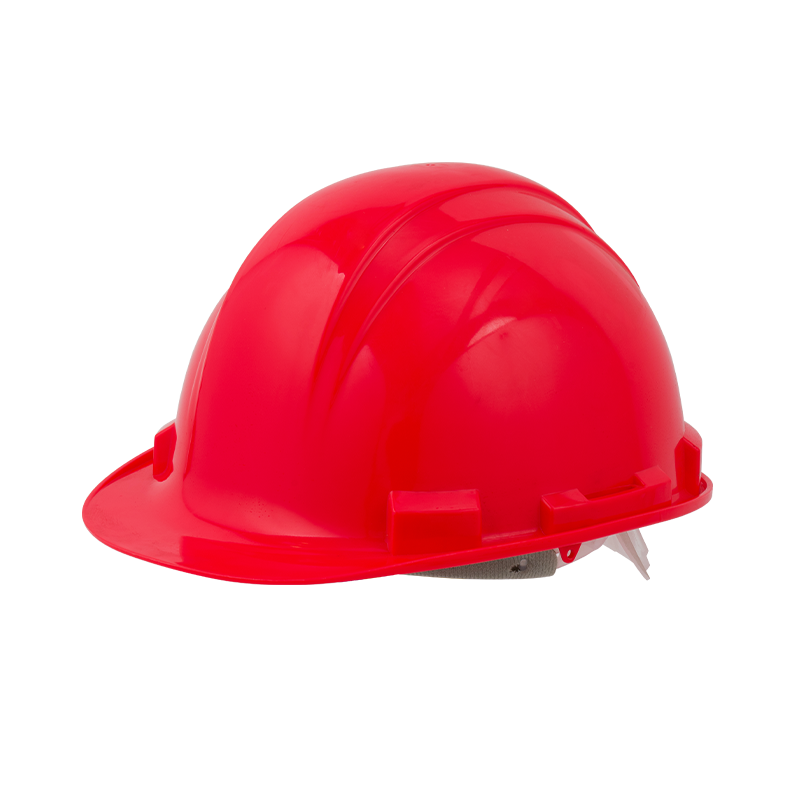
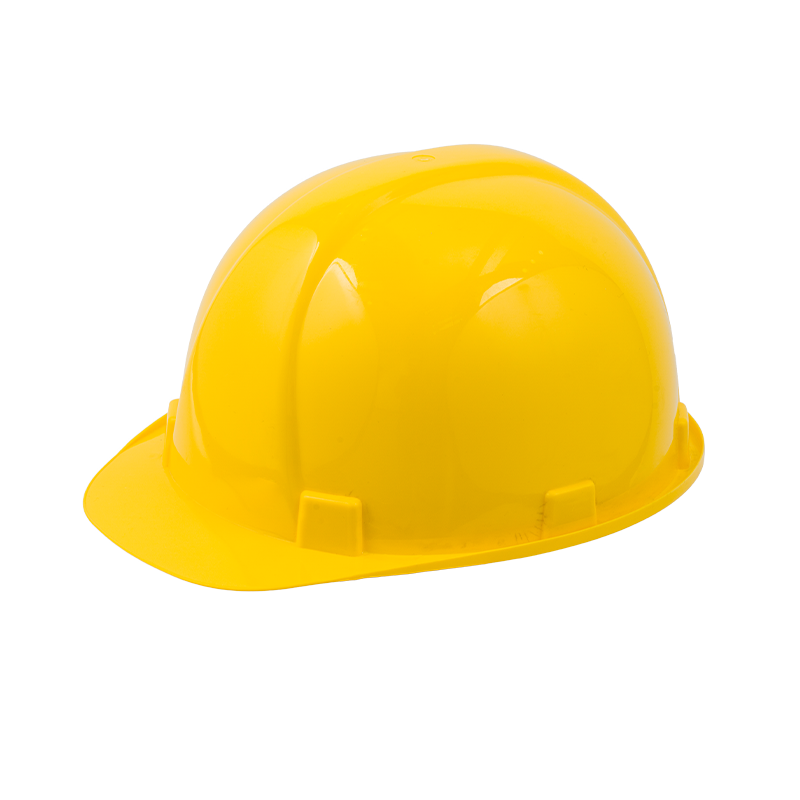
إحدى نقاط القوة التجارية لـ SH104WS هي إطار التخصيص واسع النطاق . يمكن تخصيص لون الهيكل وفقًا لمواصفات العميل عندما يصل الطلب إلى MOQ (الحد الأدنى لكمية الطلب)، مما يسمح للمؤسسات بتنفيذ أنظمة خوذة مرمزة بالألوان - وهي ممارسة معتمدة على نطاق واسع للتمييز بين الأدوار والمقاولين والأقسام في مواقع العمل الكبيرة. تتوفر عادةً ألوان الأمان القياسية بما في ذلك الأبيض والأصفر والبرتقالي والأحمر والأزرق والأخضر بكميات في الكتالوج.
ال compatibility between multiple suspension types and multiple ratchet configurations gives procurement teams the ability to توحيد نموذج خوذة واحدة مع تغيير نظام الملاءمة الداخلية لقطاعات القوى العاملة المختلفة. يعمل هذا على تبسيط إدارة المخزون، ويقلل من انتشار SKU، ويضمن أن تخصيص الميزانية للعلامة التجارية المخصصة أو تمييز الألوان لا يتطلب استثمارات منفصلة في نماذج الخوذة.
ال standard packaging measurement of 50 قطعة / 53×43×69 سم تم تحسينها بشكل جيد لكفاءة شحن الحاويات، مما يجعل المشتريات الدولية واضحة للمشترين في أوروبا وأمريكا الشمالية وأمريكا الجنوبية وجنوب شرق آسيا - جميع المناطق التي تكون فيها خوذات السلامة V-Guard المعتمدة من CE مطلوبة بشكل نشط.
الجدول 1: مواصفات المنتج الرئيسية وخيارات التخصيص SH104WS
المواصفات
التفاصيل
مادة القشرة
HDPE (البولي إيثيلين عالي الكثافة)
تصميم شل
ملف تعريف V-Guard
نقاط الإيقاف
4 نقاط (أنواع متعددة متاحة)
خيارات السقاطة
أنواع متعددة متوافقة
تخصيص اللون
متاح في موك
التعبئة والتغليف
50 قطعة / 53×43×69 سم
شهادة
شهادة CE
معيار الجودة
نظام إدارة الجودة ISO 9001
الطلب في السوق العالمية على خوذات السلامة خفيفة الوزن
نما الطلب على خوذات السلامة خفيفة الوزن بشكل مطرد في جميع الأسواق الصناعية الرئيسية، مدفوعًا بتشديد لوائح الصحة والسلامة المهنية، وزيادة التزامات الشركات البيئية والاجتماعية والحوكمة (ESG) التي تؤكد على رفاهية العمال، والأدلة المتزايدة التي تربط راحة معدات الحماية الشخصية بنتائج الامتثال. يوضح الرسم البياني أدناه التوزيع الإقليمي للطلب على الخوذات خفيفة الوزن المعتمدة من CE، مع تسليط الضوء على الأسواق الكبيرة والمتنامية في أوروبا وأمريكا الشمالية وجنوب شرق آسيا - جميع المناطق التي تخدمها عمليات تصدير Hoyoung.
يمثل جنوب شرق آسيا أ وخاصة قطاع الطلب سريع النمو ، مدفوعة بتسريع تطوير البنية التحتية، وتوسيع القدرة التصنيعية، والبيئات التنظيمية التقدمية التي تتبنى معايير معدات الحماية الشخصية الدولية. تظل أوروبا أكبر منطقة طلب خاصة بشهادة معينة على الخوذات التي تحمل علامة CE، في حين تظهر أمريكا الشمالية طلبًا قويًا مدفوعًا بنمو قطاع البناء وبرامج السلامة الصارمة المتزايدة المتوافقة مع إدارة السلامة والصحة المهنية. وتظهر أمريكا الجنوبية، رغم أنها أصغر حجما، نموا ثابتا مرتبطا بتوسع قطاعي التعدين والطاقة.
حجم صادرات خوذة الأمان خفيفة الوزن المعتمدة من CE حسب المنطقة (الرقم القياسي: 2020 = 100)
ال column chart below tracks indexed export demand growth across four key regions from 2020 to 2024. The index base of 100 represents 2020 volumes. All regions have shown consistent growth, but Southeast Asia has demonstrated the steepest trajectory, reflecting the region's rapid industrial expansion and adoption of international PPE standards. Europe's growth is more measured but sustained, underpinned by regulatory enforcement and mature safety cultures in major manufacturing economies. North America's growth accelerated post-2021, correlating with large-scale infrastructure investment programs. The SH104WS is well-positioned to capitalize on all four of these demand streams — its CE certification, flexible customization, and competitive weight profile directly address the primary procurement criteria in each region. South America's growth, while lower in absolute index terms, represents a market with significant untapped potential as regulatory frameworks continue to strengthen across key economies including Brazil, Chile, and Colombia.
الشكل 4 - الطلب التصديري المفهرس على خوذات السلامة خفيفة الوزن المعتمدة من CE حسب المنطقة، 2020-2024 (سنة الأساس 2020 = 100)
شهادة CE وISO 9001: ماذا تعني هذه المعايير للمشترين
ال SH104WS carries شهادة CE ، مما يدل على الامتثال لمعايير السلامة الأوروبية لمعدات الحماية الشخصية - وهو شرط لأي معدات حماية شخصية يتم بيعها أو تحديدها داخل المنطقة الاقتصادية الأوروبية، ومعيار جودة معترف به على نطاق واسع للمشترين في المناطق الأخرى. خضعت الخوذات المعتمدة من CE لاختبارات طرف ثالث لامتصاص الصدمات، ومقاومة الاختراق، ومقاومة اللهب، ومعايير الأداء الأخرى المحددة بموجب EN 397 (خوذات السلامة الصناعية) أو المعايير المعمول بها ذات الصلة.
تتم عمليات التصنيع تحت نظام إدارة الجودة ISO 9001 ، مما يضمن أن عمليات الإنتاج وضوابط الجودة وإدارة الموردين وآليات تعليقات العملاء تعمل جميعها ضمن إطار منظم وقابل للتدقيق. بالنسبة للمشترين على نطاق واسع الذين يشترون خوذات السلامة لبرامج القوى العاملة، توفر شهادة ISO 9001 ضمانًا موثقًا بأن مستويات الجودة ستكون متسقة عبر دفعات الإنتاج - وهو اعتبار بالغ الأهمية عند توزيع الخوذات على مئات أو آلاف العمال.
تعمل شهادة CE والامتثال لمعيار ISO 9001 معًا على وضع SH104WS كجهاز منتج من فئة المواصفات مناسبة لإدراجها في برامج سلامة الشركات، وأطر المشتريات الحكومية، وسلاسل توريد المقاولين حيث تكون الجودة الموثقة والامتثال التنظيمي غير قابلة للتفاوض.
حول شركة نينغبو هويونغ لمنتجات السلامة المحدودة
نينغبو هويونج منتجات السلامة المحدودة هي مؤسسة تصنيع تركز على معدات الحماية الشخصية ومرافق السلامة على الطرق، وتقع في نينغبو، مقاطعة تشجيانغ - وهي عبارة عن تعاون بين "حكمة تشجيانغ" و"الموانئ الحديثة". مع أكثر من 20 عاما من الخبرة في مجال معدات الوقاية الشخصية، توفر Hoyoung معرفة عميقة بالمنتج وخبرة في التصنيع لكل خوذة تغادر منشأتها.
ال company operates a ورشة عمل بمساحة 5000 متر مربع مجهزة بـ 16 آلة قولبة بالحقن، وتنفذ إلى حد كبير بيئة إنتاج بدون طيار ومؤتمتة بالكامل. يتيح إعداد التصنيع هذا جودة منتج متسقة، وإنتاجية عالية للإنتاج، والاستجابة السريعة للطلبات كبيرة الحجم - وهي القدرات التي تفيد المشترين بشكل مباشر الذين يحتاجون إلى إمدادات موثوقة لعمليات نشر القوى العاملة الكبيرة.
تمتد مجموعة منتجات Hoyoung لتشمل خوذات الأمان (HDPE وABS)، وأغطية الأذن، وأحذية السلامة، والأقماع المرورية، وأضواء التحذير، والسترات العاكسة، وغيرها من معدات الحماية الشخصية والطرقية - جميعها يتم إنتاجها وفقًا صارمًا لنظام إدارة الجودة ISO 9001 ويتم تصديرها إلى أوروبا والولايات المتحدة وأمريكا الجنوبية وجنوب شرق آسيا وخارجها. تلتزم Hoyoung بالمبدأ التوجيهي المتمثل في "السلامة، راحة البال، خدمة العملاء" — جعل احتياجات العملاء نقطة البداية الأساسية لكل قرار يتعلق بالمنتج والتزام بالخدمة.
الأسئلة المتداولة حول خوذة SH104WS V-Guard
س1: ما الذي يجعل خوذة SH104WS خوذة "خفيفة الوزن" مقارنة بخوذات الأمان القياسية؟
ال SH104WS uses an HDPE shell, which has a lower density than ABS plastics used in many conventional helmets. Combined with the V-guard structural design that provides rigidity through geometry rather than added material thickness, the result is a helmet that weighs significantly less than heavier alternatives while meeting the same protective performance standards.
Q2: هل يمكن تخصيص نظام التعليق والسقاطة للقوى العاملة لدينا؟
نعم. يدعم SH104WS أنواع التعليق المتعددة وتكوينات السقاطة المتوافقة المتعددة. يمكن للمشترين تحديد المجموعة التي تناسب احتياجات القوى العاملة لديهم على أفضل وجه - سواء مع إعطاء الأولوية لسهولة التعديل، أو المتانة في البيئات القذرة، أو كفاءة التكلفة على نطاق واسع. وهذا يجعل من السهل توحيد نموذج خوذة واحد عبر فرق متنوعة.
س3: هل SH104WS مناسب لتطبيقات التنقل وركوب الخيل داخل المدينة؟
ال SH104WS's lightweight construction and comfortable 4-point suspension make it a practical option for commuter and riding helmet contexts where the wearer needs reliable head protection without the fatigue associated with heavier industrial helmets. Its HDPE shell also offers good UV and moisture resistance for outdoor use.
Q4: ما هو موك لطلبات الألوان المخصصة؟
يتوفر إنتاج الألوان المخصصة بمجرد وصول الطلب إلى الحد الأدنى لكمية الطلب (MOQ). تتوفر الألوان القياسية عادةً بكميات الكتالوج. اتصل بفريق مبيعات Hoyoung مباشرة لمعرفة حدود موك الحالية وخيارات الألوان المطبقة على حجم طلبك.
س5: ما هي الشهادات التي يحملها SH104WS، وما هي الأسواق التي يمكن بيعه فيها؟
ال SH104WS is CE certified, making it compliant for sale and specification across European and many international markets. Hoyoung operates under ISO 9001 quality management standards. The product is currently exported to Europe, North America, South America, and Southeast Asia, supporting buyers in a wide range of regulated markets.
س6: كيف يتم تعبئة SH104WS للشحن الدولي؟
التعبئة القياسية هي 50 وحدة لكل كرتونة، بأبعاد الكرتون 53 × 43 × 69 سم. تم تحسين مواصفات التغليف هذه لتحقيق كفاءة شحن الحاويات، مما يجعل لوجستيات الشراء الدولية واضحة للمشترين في جميع أسواق التصدير الرئيسية.


 English
 Español
 عربى
عربى